

Garri – Production in Nigeria: The Traditional Journey from Cassava to Staple Food
Garri is one of the most important staple foods in West Africa and plays a central role in Nigerian cuisine. Made from cassava, it goes through several processing stages before it is ready to eat. Despite modern technologies, production in many rural areas is still largely done by hand – a labor-intensive but proven process that creates jobs and strengthens the local economy.

From Root to Garri – The Individual Processing Steps
The production of Garri involves several essential steps that require experience and manual skill.
1. Harvesting and Transporting the Cassava Roots

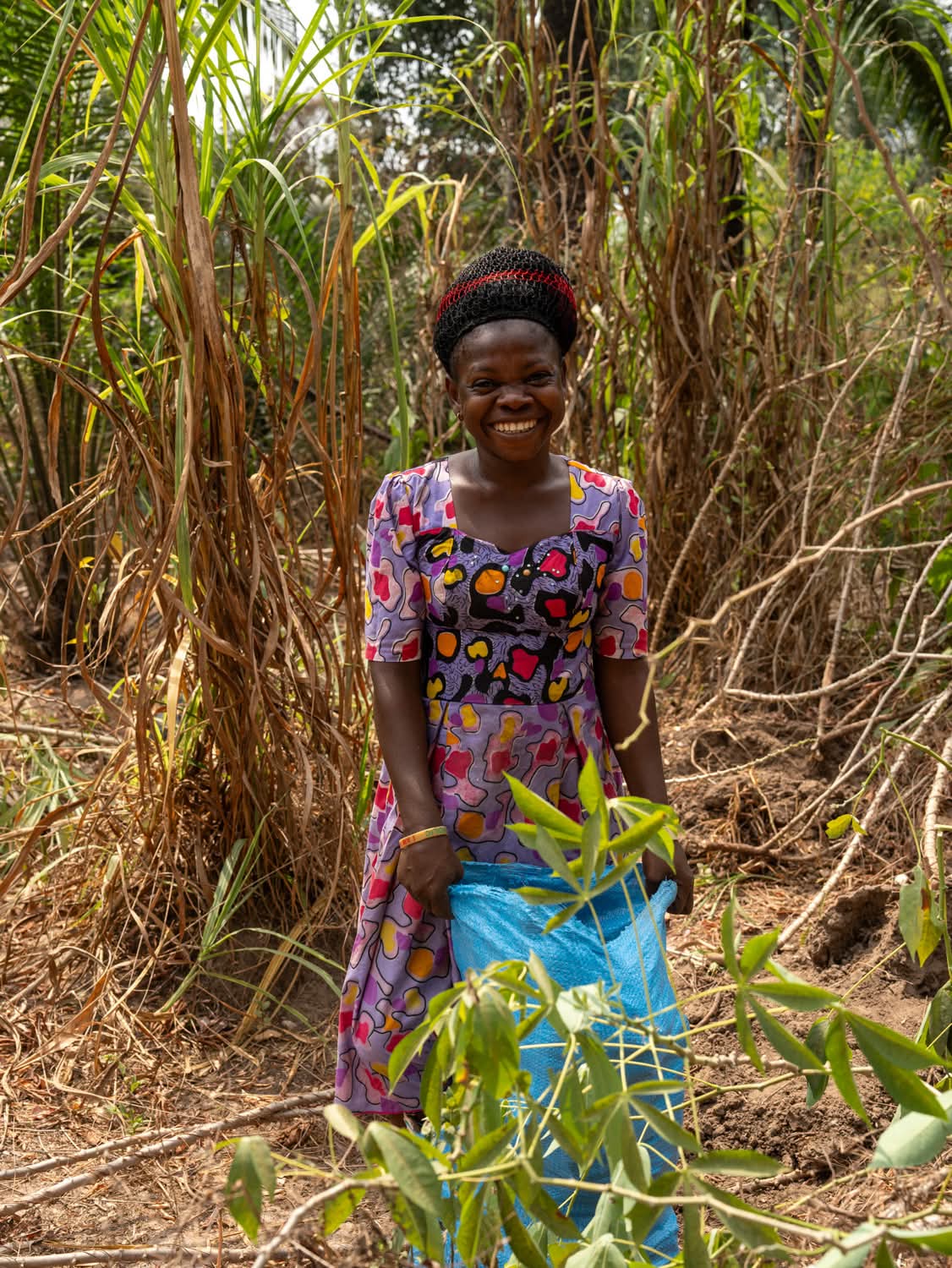
The process begins in the fields, where cassava roots are dug out of the ground using machetes or long knives. Harvesting is physically demanding, as the roots are deeply embedded. After harvesting, the roots are collected in large sacks and transported to the processing site.
2. Peeling the Cassava Roots


Once transported, the cassava roots are peeled – a task still often done by hand in many regions of Nigeria, using simple knives. The outer skin is inedible and must be completely removed. This requires both skill and speed to prepare the roots efficiently for the next steps.
3. Grating and Pressing

The peeled cassava roots are then grated. While this was traditionally done using hand mills or stone grinders, mechanical graters or mills are now often used. The grated mass is still moist and contains a lot of water, which must be removed.


To do this, the grated pulp is filled into sacks and pressed under heavy stones or hydraulic presses for several hours to days. This step is crucial, as cassava naturally contains cyanide, which is reduced through fermentation and pressing.
4. Fermentation – The Natural Refinement

Before further processing, the cassava mass is fermented for 24 to 48 hours. During this time, microorganisms break down the remaining cyanide and influence the taste and texture of the final Garri.
5. Roasting – The Critical Final Step

After fermentation, the cassava pulp is roasted. This step gives Garri its typical texture and shelf life.
The mass is roasted in large metal pans over an open fire and continuously stirred to ensure even drying. This requires experience, as incorrect temperature or uneven stirring can affect the quality of the Garri.
The work is physically demanding due to the intense heat from the open fire. However, roasting is essential to make the product durable and ready for consumption.
6. Sieving and Packaging

After roasting, the Garri is sieved to remove larger lumps and achieve an even texture. It is then filled into sacks or smaller packages and prepared for sale.

Why Garri Is So Important
Garri is a staple food in Nigeria and other West African countries because it:
- Has a long shelf life and can be stored without refrigeration;
- Is highly versatile – it can be consumed as a porridge with water or added to soups;
- Is affordable and filling, making it essential for many households.
Tradition and the Future of Garri Production
Despite the availability of modern machinery, traditional Garri production continues in many areas. It creates jobs, especially for women, and preserves a craft perfected over generations.
Austrian photographer Karlheinz Wachsenegger has documented the work of these women in Nigeria, offering insight into a process that is vital to many lives. His images show not only the physical effort, but also the pride and sense of community connected to traditional Garri production.
The future of Garri production could be further optimized through sustainable farming methods and improved working conditions, without losing the cultural importance of this essential food.
Report by
Professional photographer from the district of Baden, Lower Austria